

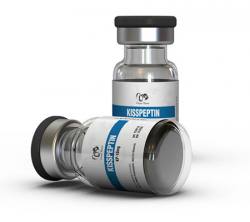
Modern reproductive endocrinology has changed dramatically as scientists have learned more about the brain signals that control fertility. One of the most important discoveries in this area is Kisspeptin, a naturally occurring neuropeptide that acts high in the reproductive hormone pathway. Rather than functioning like a conventional sex hormone, it helps regulate the release of gonadotropin-releasing hormone (GnRH), which in turn controls luteinizing hormone (LH) and follicle-stimulating hormone (FSH). This makes it an important subject of research in fertility, puberty, reproductive disorders, and assisted reproduction.
For anyone evaluating a Kisspeptin product for research purposes, understanding the science behind the compound is essential. Current evidence suggests that activating the kisspeptin receptor can stimulate GnRH and downstream reproductive hormones in humans. However, research status, formulation, route, and clinical indication matter greatly, and evidence from laboratory studies or early clinical trials should not be confused with an established approved treatment.
What Is Kisspeptin?
Kisspeptin is a family of peptides encoded by the KISS1 gene. It binds to the kisspeptin receptor, also known as KISS1R or GPR54, on GnRH neurons in the hypothalamus. This signaling pathway is one of the body’s key mechanisms for coordinating reproductive function.
The reproductive system depends on communication between the hypothalamus, pituitary gland, and gonads. The hypothalamus releases GnRH in pulses. GnRH stimulates the pituitary to produce LH and FSH, while LH and FSH act on the ovaries or testes to support reproductive processes and sex-steroid production. Research shows that kisspeptin sits upstream of this cascade and can act as a powerful trigger for GnRH secretion.
The discovery is particularly important because loss-of-function mutations involving KISS1 or KISS1R can cause hypogonadotropic hypogonadism and impaired pubertal development, demonstrating how central this signaling pathway is to normal reproductive physiology. Reviews of human evidence describe kisspeptin as a principal regulator of gonadotropin secretion and an important controller of puberty and adult fertility.
How Does It Work?
The mechanism is best understood as a biological relay. The peptide binds to KISS1R on GnRH neurons, stimulating GnRH release. GnRH then acts on the pituitary, encouraging the release of LH and FSH. These gonadotropins influence the gonads and contribute to the production of reproductive hormones.
This mechanism explains why researchers are interested in the compound. Instead of directly replacing testosterone, estrogen, LH, or FSH, the peptide can influence the body’s own upstream reproductive signaling. Human studies have shown that administration of kisspeptin can increase LH, with effects on FSH and testosterone also reported in appropriate experimental settings.
The response is not identical in every person or circumstance. Menstrual-cycle stage, baseline reproductive status, formulation, exposure pattern, and underlying endocrine condition can influence the response. This variability is one reason why clinical research remains important before broad therapeutic use.
Potential Importance for Women
Female reproductive function depends on carefully timed communication between the brain, pituitary gland, and ovaries. Kisspeptin signaling contributes to both pulsatile GnRH secretion and the hormonal events surrounding ovulation. In research studies, exogenous kisspeptin has stimulated LH and FSH secretion, with particularly notable LH responses around the preovulatory period.
This has created interest in fertility medicine. Researchers have investigated whether controlled activation of the kisspeptin pathway could help trigger physiological reproductive hormone responses without directly overstimulating the ovaries in the same manner as some conventional approaches.
One especially interesting area is assisted reproduction. Research has explored kisspeptin as a potential trigger for final oocyte maturation in women undergoing fertility treatment, including women considered at increased risk of ovarian hyperstimulation syndrome. The rationale is that the peptide can activate the body’s GnRH pathway, which may produce a more physiologic endocrine signal.
Studies have also examined women with hypothalamic amenorrhea, a condition in which reproductive signaling can become suppressed. Early research suggests that kisspeptin can stimulate reproductive hormone secretion in some affected women. However, response can diminish with repeated exposure in certain settings, and more research is needed to establish reliable therapeutic protocols.
Potential Importance for Men
The reproductive role of Kisspeptin is not limited to women. In men, the pathway contributes to the regulation of GnRH, LH, FSH, and testosterone production. Human studies have demonstrated that kisspeptin administration can increase LH and, in some circumstances, testosterone.
This makes the pathway scientifically interesting for conditions involving reduced reproductive hormone signaling. Researchers have investigated whether manipulating kisspeptin signaling could eventually help restore or test the function of the hypothalamic-pituitary-gonadal axis.
Importantly, this does not mean that a kisspeptin product should be considered a general testosterone booster. The compound acts through a complex endocrine pathway, and its effects depend on the functioning of the hypothalamus, pituitary, and gonads. Claims that it automatically increases testosterone, muscle mass, sexual performance, or fertility are not supported simply because the peptide can stimulate reproductive hormones in controlled studies.
How Effective Is It?
The effectiveness of Kisspeptin depends on what outcome is being measured. In controlled human studies, acute administration has consistently demonstrated the ability to stimulate LH secretion, while increases in FSH and sex steroids have also been observed. A major review of human studies concluded that kisspeptin robustly stimulates LH secretion and can increase LH pulse frequency.
That evidence is scientifically significant, but it should be interpreted carefully. Demonstrating a hormonal response is not the same as proving that a product improves fertility, pregnancy rates, testosterone deficiency, athletic performance, or another clinical outcome. The strongest evidence currently concerns its biological ability to activate the reproductive axis rather than universal therapeutic effectiveness.
Research has also shown that repeated or continuous exposure can produce tachyphylaxis, meaning the hormonal response may weaken after repeated stimulation in some circumstances. This is an important consideration because a molecule that produces a strong acute response may behave differently with prolonged exposure.
For these reasons, the most accurate description is that kisspeptin is a promising investigational regulator of reproductive endocrinology rather than a universally established medication for every fertility or hormone-related condition.
Why Researchers Are Interested
Several characteristics make this pathway unusually attractive. First, it operates upstream of GnRH, giving researchers an opportunity to influence a central reproductive signal. Second, it is closely connected to normal physiology. Third, abnormalities in kisspeptin signaling have clear relationships with reproductive disorders and pubertal development.
The peptide pathway also responds to broader biological signals. Kisspeptin neurons interact with neurokinin B and dynorphin in the KNDy neuronal network, helping regulate GnRH pulse generation. Research additionally links kisspeptin signaling with nutritional and metabolic status, demonstrating that reproductive function is integrated with the body’s overall physiological state.
Scientists are investigating applications that extend beyond fertility alone. Current research includes reproductive endocrine disorders, ovarian stimulation, infertility, puberty, pregnancy-related biology, and potential diagnostic applications. A 2024 Endocrine Reviews article describes the expanding therapeutic potential of kisspeptin and neurokinin B while emphasizing that much of the field remains translational research.
Possible Applications in Fertility Research
One of the most promising areas is controlled fertility treatment. Because kisspeptin can stimulate the GnRH pathway, researchers have explored whether it can be used to generate a physiological LH surge or support final oocyte maturation.
This approach could be particularly valuable when clinicians want to stimulate a reproductive event while reducing certain risks associated with conventional ovarian stimulation. Early clinical work has generated encouraging findings, but larger and longer-term studies are necessary before conclusions about comparative effectiveness can be made.
Research is also examining kisspeptin signaling in reproductive disorders involving low or abnormal GnRH pulsatility. Hypothalamic amenorrhea and hypogonadotropic hypogonadism are examples where upstream reproductive signaling may be impaired. Conversely, altered kisspeptin signaling has been investigated in disorders associated with excessive LH activity, including polycystic ovary syndrome.
Safety and Limitations
A scientifically responsible product description must separate promising research from established medical use. Kisspeptin has been administered in human research studies, and published studies have reported hormonal effects. Nevertheless, that does not establish every commercial formulation as safe, effective, pure, or clinically approved.
Potential responses can vary depending on the peptide form, purity, exposure pattern, participant characteristics, reproductive status, and underlying medical condition. Research has also demonstrated that repeated administration may lead to reduced hormonal responsiveness in some populations.
Anyone considering a peptide product for personal use should discuss it with a qualified healthcare professional rather than relying on online marketing claims. This is especially important for pregnancy, infertility, endocrine disorders, fertility treatment, or any situation involving hormonal medication. Unverified products may have uncertain identity, concentration, sterility, storage conditions, and manufacturing quality.
A Research-Focused Product Perspective
From a research perspective, Kisspeptin is compelling because it provides a window into one of the body’s most important reproductive control systems. Its value is not simply that it can raise a laboratory measurement such as LH. Its deeper importance lies in what it reveals about the organization of the hypothalamic-pituitary-gonadal axis.
For researchers, a well-characterized peptide preparation may be useful when studying KISS1R signaling, GnRH physiology, gonadotropin secretion, reproductive endocrinology, or experimental fertility pathways. For consumers, however, product claims should be evaluated much more cautiously. A product described as “powerful” should not automatically be interpreted as clinically superior, and a measurable hormonal response should not be treated as proof of a guaranteed health benefit.
What Makes It Different?
Many hormone-related products attempt to act directly on the final hormone or receptor system. Kisspeptin is different because its principal role is upstream. It helps initiate the signaling sequence that ultimately affects LH and FSH.
This upstream position is what gives the molecule its scientific appeal. It may allow researchers to study reproductive hormone control in a way that more closely follows normal physiology. At the same time, upstream signaling is complex. The outcome depends on whether downstream components of the reproductive axis are intact and responsive.
The distinction between acute and chronic effects is equally important. Research demonstrates that a strong short-term response does not necessarily mean that continuous exposure will produce the same result. Some studies have observed reduced responsiveness after repeated treatment, reinforcing the need for carefully designed clinical protocols.
The Future of Reproductive Endocrinology
The future of Kisspeptin research is potentially significant. Scientists are continuing to investigate its role in fertility, ovarian function, male reproductive endocrinology, puberty, pregnancy, and endocrine disorders. New analogs and receptor-targeting strategies may eventually expand the clinical possibilities.
However, the path from promising peptide biology to an approved treatment is long. Researchers must establish optimal formulations, dosing strategies, patient selection, safety profiles, long-term outcomes, and meaningful clinical endpoints. Large controlled trials are particularly important for determining whether improvements in hormone levels translate into higher pregnancy rates, better reproductive outcomes, or other patient-centered benefits.
For now, the strongest conclusion is that kisspeptin signaling is a powerful biological regulator and a promising therapeutic research target. It has already changed how scientists understand the control of human reproduction, and continued investigation may lead to new approaches for selected reproductive disorders.
Final Takeaway
Kisspeptin represents an exciting development in reproductive endocrinology because it acts at a critical point in the pathway controlling GnRH and gonadotropin secretion. Human research has shown clear hormonal activity, especially stimulation of LH, with additional effects on FSH and sex steroids under appropriate experimental conditions. The pathway has potential relevance to fertility treatment, hypothalamic reproductive disorders, ovarian stimulation, and male reproductive hormone research.
At the same time, effectiveness should be described accurately. Evidence supports strong biological activity, but it does not justify presenting every Kisspeptin product as an approved fertility treatment, testosterone therapy, or performance-enhancing drug. The quality of the formulation, the clinical context, and the specific research question all matter.
For deeper reading, consult the peer-reviewed literature indexed by PubMed and recent reviews of kisspeptin-GnRH research. These resources provide a more reliable foundation than promotional claims and help place emerging peptide research in the context of established reproductive medicine.
Reviews
There are no reviews yet.