

Table of Contents
Executive Summary: Anavar (oxandrolone) is a synthetic oral anabolic steroid originally developed to help patients gain weight and muscle after surgery, injury, burns, or severe illness. It works by mimicking testosterone to increase protein synthesis, boost lean body mass, and strengthen bones. Medically, Anavar is prescribed to promote weight gain in catabolic conditions and to treat bone pain in osteoporosis. However, Anavar can cause significant side effects. It is hepatotoxic (can damage the liver and even cause tumors), and it negatively alters cholesterol levels (raising LDL while lowering HDL). It also suppresses natural testosterone production, leading to low libido and hormonal imbalances. Anavar is a Schedule III controlled substance (no longer FDA-approved in the US) and banned in competitive sports. In summary, Anavar increases muscle and weight but harms the liver, lipids, and hormones; its medical benefits come with serious risks.
What Is Anavar (Oxandrolone)?
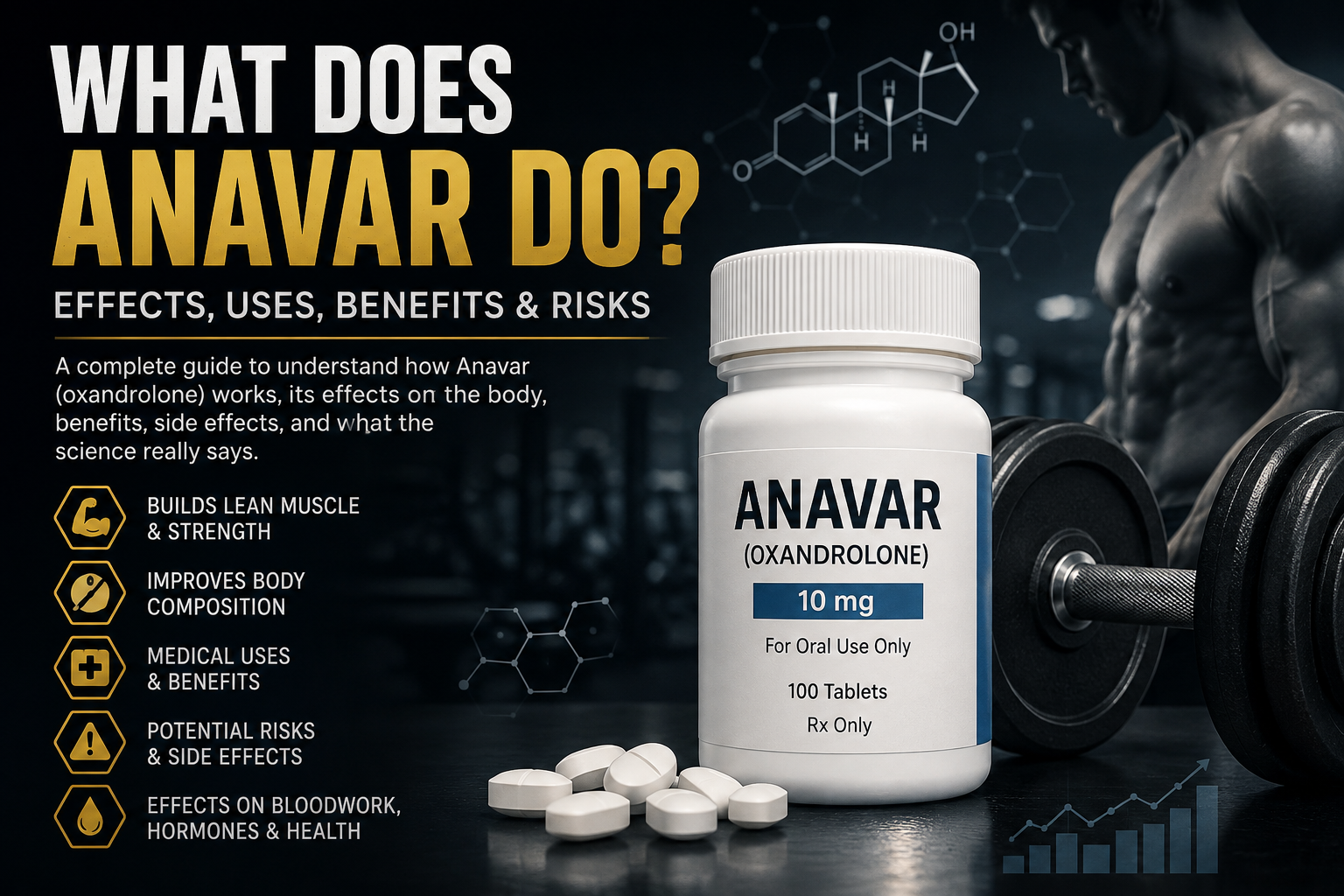
Anavar is the brand name for oxandrolone, a synthetic anabolic-androgenic steroid. Chemically, it’s a modified form of testosterone designed to survive oral ingestion. It was developed in the 1960s to help patients regain weight after surgery, severe injury, infection, or burns. It also gained approval to treat muscle wasting (cachexia) in HIV/AIDS and other catabolic conditions. In short, Anavar is a man-made version of testosterone with enhanced effects on muscle and bone.
How Does Anavar Work in the Body?
Anavar works by mimicking testosterone in the body. It binds to androgen receptors in muscle and bone cells, stimulating protein synthesis and bone formation. In medical use, doctors give oxandrolone along with a nutritional program to help patients rebuild muscle and weight by increasing the body’s protein production. Because of its chemical structure (17-alpha-alkylated), Anavar has strong anabolic effects on muscle but also adds stress to the liver (see side effects below).
What Does Anavar Do to Your Body?
Anavar builds lean muscle and can increase body weight. By activating androgen receptors, it boosts protein synthesis so that muscles grow and strength improves. In clinical settings, oxandrolone has been shown to significantly increase lean body mass and muscle strength when combined with exercise. In other words, Anavar helps the body retain and grow muscle that might otherwise be lost during severe illness or steroid therapy. It also helps increase bone mineral content, making bones stronger over time.
Athletes and bodybuilders note that Anavar can improve recovery and endurance. Users often report faster muscle recovery and the ability to train longer or harder, although these effects are mostly anecdotal. Scientifically, Anavar may improve lean mass and performance partly by increasing IGF-1 (a growth factor). However, unlike natural nutrition and exercise, Anavar’s gains reverse quickly once the drug is stopped.
In summary: Anavar increases the body’s muscle-building signals, leading to more muscle mass and strength (especially when combined with training). It can also slightly reduce body fat percentage during “cutting” phases, although this likely results from retaining muscle in a calorie deficit rather than burning fat directly.
What Does Anavar Do for Men?
For men, Anavar’s effects are similar to those in anyone: it promotes muscle and weight gain. However, men are particularly at risk of hormonal side effects. Because Anavar acts like extra testosterone, the body reduces its own hormone production. Chronic use can suppress natural testosterone, leading to reduced libido, erectile dysfunction, fatigue, and sometimes infertility. In clinical terms, men taking Anavar often see a drop in luteinizing hormone (LH) and follicle-stimulating hormone (FSH) as the hypothalamic-pituitary-gonadal axis shuts down.
On the positive side, many men experience strength gains and muscle hardness on Anavar. It is often used in “cutting” cycles because it tends to cause less water retention than some other steroids. But this should be weighed against the downside of hormone suppression. As Healthy Male (Australia) notes, stopping Anavar use can leave men with symptoms of low testosterone for weeks or months as natural hormone production recovers.
What Are the Medical Uses of Anavar?
Medically, Anavar is prescribed under strict supervision for a few indications:
- Weight gain (catabolic states): Anavar is used to help patients regain weight and muscle after severe illness, surgery, chronic infections, or trauma. In these cases, it supplements a high-protein diet to counteract muscle wasting.
- Preventing steroid-induced wasting: It’s given to patients on long-term corticosteroids (e.g., prednisone) to prevent protein loss.
- Osteoporosis (bone pain): Anavar can reduce bone pain in osteoporosis by slightly increasing bone density.
- Growth and development: In pediatrics, low doses of oxandrolone can accelerate growth in boys with growth delays or Turner syndrome (often combined with growth hormone). (This use is specialized and monitored closely.)
In summary, drugs.com explains: “Oxandrolone is used to help you regain weight lost after surgery, severe trauma, or chronic infections. It is also used in people who cannot gain or maintain a healthy weight for unknown reasons… and to reduce bone pain in people with osteoporosis”. These uses highlight that Anavar’s main medical role is to rebuild muscle and weight under challenging health conditions.
Potential Effects of Anavar
Positive effects: Because it increases protein synthesis, Anavar can effectively increase lean muscle mass and strength. It may also improve endurance and recovery, allowing users to train more intensely. For this reason, Anavar is sometimes used (illicitly) by athletes for performance enhancement, especially in sports requiring strength and stamina.
Some bodybuilders claim Anavar also provides a “dry” or “hardening” effect (improving muscle definition with minimal water retention). Clinically, oxandrolone therapy has been shown to improve exercise capacity in burned and chronically ill patients. Thus, its effects can help patients rehabilitate from catabolism.
Negative or minimal effects: Anavar does not aromatize into estrogen, so it does not cause estrogenic effects like water retention or gynecomastia (breast growth). However, its lack of aromatization does not make it entirely safe; the same pathways that add an extra methyl group (to make it oral) also produce liver stress. Over time or at high doses, positive gains can be overshadowed by side effects (detailed below).
What Does Anavar Do to Bloodwork?
Anavar use causes notable changes in blood chemistry that doctors often monitor:
- Cholesterol: Anavar adversely alters lipid profiles. It tends to lower HDL (“good” cholesterol) and raise LDL (“bad” cholesterol). Healthy Male warns that these shifts increase the risk of atherosclerosis and heart disease. A drop in HDL of 20–30% is common, which is serious because HDL protects arteries.
- Liver enzymes: As a 17α-alkylated steroid, Anavar is hepatotoxic. It can elevate liver enzymes and, in rare cases, cause liver damage or tumors. Regular blood tests (AST/ALT) should be done during any medical Anavar therapy. Reports of peliosis hepatis (blood-filled cysts) and hepatic adenomas exist with AAS like oxandrolone.
- Hormones: Natural testosterone and other sex hormones drop. In men, serum testosterone and gonadotropins (LH/FSH) fall markedly during use. In women, androgens rise (from the drug), often at the expense of estrogen. TSH or thyroid are usually unaffected, but the HPG axis is significantly perturbed.
- Other lab values: Anavar does not raise red blood cell count as much as some steroids, but mild increases in hematocrit can occur. It generally does not spike creatinine unless renal stress is present. Electrolytes usually remain stable unless it causes significant fluid retention (see side effects).
In practical terms, doctors stress-monitor patients on Anavar: “Keep all appointments with your doctor and the laboratory. Your doctor will order certain tests to check your body’s response to oxandrolone”. These include liver function tests, lipid panel, and hormone levels.
What Are the Potential Side Effects of Anavar?
Anavar can cause several side effects: Many users underestimate its risks because it is marketed as “mild,” but it carries the common hazards of anabolic steroids. Key categories of side effects include:
- Hormonal effects: Anavar suppresses the hypothalamic-pituitary-gonadal axis. Men often experience testicular atrophy (shrunken testes), low libido, and fatigue from low testosterone. Women taking Anavar can face virilization: irreversible deepening of the voice, enlargement of the clitoris, increased facial/body hair, and menstrual disruption. Many of these changes in women can be permanent. Both sexes may experience mood swings, irritability, or depression, especially when stopping the drug.
- Liver-related risks: Anavar’s biggest medical warning is on the liver. It can cause elevated liver enzymes, peliosis hepatis, liver tumors, and even failure. Although rare, these complications can be life-threatening. The Australian report notes serious liver injury as a reason it was withdrawn in the US.
- Cardiovascular and cholesterol risks: As mentioned, Anavar worsens cholesterol (↓HDL, ↑LDL), predisposing to atherosclerosis. It may also raise blood pressure via fluid retention and increased RBC mass. Over time, anabolic steroid use is linked to heart attacks and stroke, especially in older users or those with other risk factors.
- Other effects: Common side effects include acne, oily skin, and fluid retention. Users often notice swelling in the hands or feet due to water weight. Dermatological effects (acne, male-pattern baldness in genetically predisposed men) occur. Women may see clitoromegaly and voice changes. In children, Anavar can cause stunted growth (premature skeletal maturation).
Doctors’ advice: MedlinePlus warns that oxandrolone “may cause damage to the liver or spleen… and tumors in the liver.” If symptoms like jaundice or fatigue occur, medical help is needed. Importantly, all these side effects are dose-dependent: higher doses and longer use greatly increase risk.
What Does Anavar Do to Testosterone?
It is a common misconception that Anavar raises testosterone. In reality, taking Anavar does not increase natural testosterone; it suppresses it. Because it provides external androgens, the pituitary reduces LH and FSH signals. For men, this means endogenous testosterone production plummets. Within days of use, blood tests show very low testosterone levels compared to pre-cycle. After stopping Anavar, it can take weeks to months for normal testosterone production to recover.
Interestingly, because Anavar does not aromatize to estrogen, users often need external estrogen support post-cycle to restore balance. In women (who already have low testosterone), Anavar’s androgens act freely, but the drug will still suppress their adrenal/ovarian steroid production to some extent.
Bottom line: When you take Anavar, your body’s own testosterone level falls significantly. This effect can lead to hypogonadism in men and is why a Post-Cycle Therapy (PCT) plan is essential after use.
How Long Does Anavar Stay in the Body?
Anavar has a short half-life of about 9 hours, but its metabolites can be detected in urine for up to 3 weeks after the last dose in drug tests. Clinically, most of the drug’s effects occur within 1–2 days of taking each dose. In practical terms, Anavar is considered a “short-acting” steroid: it clears from blood quickly, but long-term use still accumulates liver strain and hormonal suppression. This is why many users dose it daily and still need weeks of PCT after stopping.
Anavar for Men vs. Women: What Is Different?
- Men: As noted, Anavar’s anabolic effects build muscle in men with relatively mild androgenic side effects (compared to stronger steroids). Still, men risk gynecomastia (breast tissue) from progesterone response and other AAS reactions, not estrogen (since Anavar is non-aromatizing). Acne and hair loss are common in genetically susceptible men. Libido can fluctuate: some men report increased libido on-cycle (due to high androgen), but others feel the opposite because of hormonal imbalances.
- Women: Anavar is often (misguidedly) called a “female-friendly” steroid because it is less androgenic than others. However, it can still cause virilization. Women are much more sensitive: even low doses (10–20 mg/day) can lead to hair growth, deep voice, and menstrual changes. These side effects may be irreversible. Pregnant women must avoid Anavar, as it can harm the fetus.
In brief, women experience more dramatic side effects at lower doses, particularly permanent masculinization. Men mainly worry about suppressed testosterone and related effects.
What Happens When You Stop Taking Anavar?
Upon stopping Anavar, the short-term gains begin to reverse. Muscle mass and strength will decrease unless maintained by proper diet and exercise. More importantly, hormonal rebound is the critical issue. The body has been shut down from producing testosterone, so you will experience low-T symptoms: fatigue, depressed mood, loss of libido, and lethargy.
Medical sources emphasize the difficulty of withdrawal from steroids. Healthy Male notes: “Withdrawing from steroids can be incredibly tough… you shut down your body’s production of testosterone. When you stop… you will likely experience symptoms of low testosterone for weeks or even months while your body tries to recover”. Athletes therefore use Post-Cycle Therapy (PCT) protocols (clomiphene, hCG, etc.) to jump-start hormone production. Without PCT, recovery can be very slow.
Other withdrawal effects include a rapid regain of body fat (since metabolic rate drops) and loss of muscle definition. Mentally, many users report mood swings and cravings to retake the drug. In short, stopping Anavar abruptly can cause significant hormonal and psychological stress, underscoring that it is not a benign supplement.
Anavar Cycles and Recovery
In practice (outside medical use), Anavar is used in cycles: several weeks on the drug followed by a break (plus PCT). Typical male bodybuilder cycles are 6–8 weeks with daily doses of 30–80 mg. Women’s cycles are shorter (4–6 weeks) at lower doses (5–20 mg) due to virilization risk. “Stacking” (combining with other steroids) is common for stronger effect, but stacking only multiplies the risks.
During and after a cycle, recovery focuses on monitoring bloodwork (testosterone levels, liver enzymes, lipids) and supporting organ health. Clinics advise abstaining from alcohol and other liver toxins during recovery. Some mention taurine or liver-supportive supplements, but there’s no magic bullet. The main point: Any anabolic cycle requires deliberate recovery planning to avoid long-term damage.
Is Anavar Safe?
In a medical context, Anavar is considered relatively “safe” when used in low doses under doctor supervision for short periods. However, “safe” is relative: even prescribed doses can cause the side effects mentioned above. MedlinePlus explicitly warns about “damage to the liver or spleen… tumors in the liver” and heart disease risk.
For non-medical users, Anavar is far from harmless. It is not FDA-approved for bodybuilding, and no dosage is truly “safe” without risk. Clinical reports have shown serious side effects even at therapeutic doses over months. Recent audits even led to FDA withdrawal of all Oxandrin (Anavar) in the U.S. due to safety concerns.
In summary, Anavar is not a benign supplement but a potent drug with serious hazards. The benefits (muscle gain, weight gain) come only under careful conditions, and even then carry warnings about liver, heart, and hormone damage.
Is Anavar Legal?
Legally, Anavar is a controlled substance. In the United States, it is Schedule III under the Anabolic Steroid Control Act. This means doctors can prescribe it only for approved medical reasons. As of 2023, it is no longer FDA-approved for any use, and pharmacies cannot dispense it. It is also banned by all major sports anti-doping agencies (WADA, IFBB).
In other countries, restrictions vary. For example, in Australia, Anavar (oxandrolone) is a Schedule 4 prescription drug – legal with a prescription, illegal otherwise. In most of Europe, it is similarly prescription-only. Purchasing or importing Anavar without authorization is illegal and can result in criminal charges.
Key point: Anavar is only legal when prescribed by a doctor for legitimate medical issues. Any other use (or acquisition) is illicit and risky, both medically and legally.
Frequently Asked Questions
- What does Anavar do to your body? Anavar promotes muscle growth and weight gain by increasing protein synthesis. It is often used to help patients recover muscle mass after illness or to improve performance, but it also stresses the liver and alters hormone levels.
- What does Anavar do for men? It helps men build muscle and strength, but causes a big drop in natural testosterone. Men may see gains in muscle but risk low libido, fatigue, and testicular shrinkage once the drug is used.
- Does Anavar increase muscle mass? Yes. Anavar is an anabolic steroid, so it can significantly increase lean body mass and strength, especially when combined with exercise.
- Does Anavar affect testosterone? Anavar itself is a testosterone analog, but it suppresses natural testosterone production. On Anavar, men’s own testosterone levels fall; after stopping, those levels are very low for some time.
- What does Anavar do to bloodwork? It adversely affects blood tests. Doctors see higher liver enzyme levels and a worse cholesterol profile (low HDL, high LDL) in patients taking Anavar. Hormone tests will show very low LH/FSH and testosterone as well.
- How long does Anavar stay in your system? Anavar’s half-life is about 9 hours, but metabolites can be detected for days to weeks. Clinically, it is generally cleared from blood within a day, but users will feel its hormonal effects for much longer.
- Is Anavar safe? No drug is completely safe. Anavar has approved uses, but carries serious risks even at low doses. It can damage the liver, heart, and hormonal system if misused. Safe use means under a doctor’s guidance for a limited time.
- Is Anavar legal? Only with a prescription for medical purposes. It is a Schedule III steroid in the US (prescription-only) and illegal to buy or sell without approval. Athletic use is banned everywhere.
| Subheading | Target Keywords |
|---|---|
| What Is Anavar (Oxandrolone)? | Oxandrolone, Anavar, synthetic anabolic steroid, Anavar uses |
| How Does Anavar Work in the Body? | Anavar mechanism of action, protein synthesis, anabolic steroid |
| What Does Anavar Do to Your Body? | what does Anavar do to your body, Anavar effects, lean body mass, muscle gain |
| What Does Anavar Do for Men? | what does Anavar do for men, Anavar effects on men, testosterone suppression |
| What Are the Medical Uses of Anavar? | Anavar medical uses, weight gain, osteoporosis, muscle wasting |
| Potential Effects of Anavar | Anavar effects, Anavar benefits, lean muscle, body composition |
| What Does Anavar Do to Bloodwork? | what does Anavar do to bloodwork, LDL HDL changes, liver enzymes |
| Potential Side Effects of Anavar | Anavar side effects, hormonal side effects, liver damage, cholesterol |
| What Does Anavar Do to Testosterone? | what does Anavar do to testosterone, testosterone suppression, HPTA shutdown |
| How Long Does Anavar Stay in the Body? | Anavar half-life, detection time, Anavar in bloodstream |
| Anavar for Men vs. Women: Differences | Anavar women vs men, virilization, androgenic effects |
| What Happens When You Stop Taking Anavar? | Anavar withdrawal, post cycle therapy, testosterone recovery |
| Anavar Cycles and Recovery | Anavar cycle, Post-Cycle Therapy, PCT after Anavar |
| Is Anavar Safe? | Anavar safety, anabolic steroid risks, side effects |
| Is Anavar Legal? | Anavar legal status, controlled substance, prescription only |
Anavar is the brand name for oxandrolone, a synthetic oral androgenic–anabolic steroid (AAS). It is a 17α-alkylated derivative of dihydrotestosterone (DHT) created to have strong anabolic (tissue-building) effects with relatively low androgenic (masculinizing) activity. Oxandrolone was first approved in 1964 by the FDA (as Oxandrin) for specific medical uses. It was indicated “as adjunctive therapy to promote weight gain after weight loss following extensive surgery, chronic infections, or severe trauma,” and to relieve the bone pain of osteoporosis. Thus, doctors have used Anavar to help patients gain weight and muscle in catabolic (wasting) conditions. The drug is classified as a Schedule III controlled substance in the United States, reflecting its medical use but also potential for abuse and dependence.
Chemically, oxandrolone is often called a “designer steroid” since it’s a man-made analog of the male hormone testosterone. It is characterized by a methyl group at the 17α position, allowing it to be taken orally without rapid liver breakdown. In pharmacology terms, oxandrolone is an androgen receptor agonist; it binds to androgen receptors in muscle and other tissues, mimicking the action of testosterone. Unlike natural testosterone, oxandrolone cannot be aromatized to estrogen, which means it doesn’t produce estrogenic side effects like gynecomastia (male breast development). However, it does exert potent anabolic effects such as increasing protein synthesis and nitrogen retention, which can build lean mass.
Note: Oxandrolone (Anavar) is a prescription medication only. The information below is for educational purposes and not medical advice. Any use of Anavar should be discussed with a qualified healthcare professional.
How Does Anavar Work in the Body?
Anavar’s effects are mediated by the androgen receptor (AR). When taken, oxandrolone enters cells and binds to AR, initiating a cascade of gene transcription that leads to increased protein synthesis in muscle tissues. This enhances the body’s ability to build and repair muscle fibers. In practical terms, oxandrolone “works by increasing the amount of protein made by the body. This protein is used to build more muscle and increase body weight.”. It also improves nitrogen retention and red blood cell production, creating a more anabolic (tissue-building) environment.
Because oxandrolone is a synthetic analog of DHT, it has a high affinity for the androgen receptor but does not convert to estrogen. Its “anabolic-androgenic ratio” is relatively high, meaning it tends to have more muscle-building effect with fewer masculinizing effects compared to testosterone. However, it still exerts androgenic effects: it can activate androgen receptors in multiple tissues (e.g. muscle, liver, fat, brain) and thus influence secondary sexual characteristics and metabolic processes.
Oxandrolone’s bioavailability is high (about 97% when taken by mouth), and it has a moderately short half-life. In healthy adults, the elimination half-life is around 9–10 hours (extended to ~13 hours in elderly patients). This means oxandrolone is typically taken daily or divided into 2–4 doses to maintain steady blood levels. It is metabolized primarily in the liver (via CYP3A4 enzymes) and excreted mostly in urine.
In sum, Anavar delivers a testosterone-like signal to muscles and other tissues, promoting anabolism (muscle protein building) without significantly raising estrogen levels. Its main molecular action is to turn on genes involved in growth, strength and repair. Many users describe it as a “milder” steroid because it causes fewer water retention or estrogenic side effects, but it is still a powerful androgenic agent with significant physiological effects.
What Does Anavar Do to Your Body?
When taken, Anavar (oxandrolone) exerts several measurable effects on body composition and physiology:
- Muscle Growth: Anavar increases muscle protein synthesis, helping build lean mass. Studies in humans have shown oxandrolone leads to significant gains in lean body mass in catabolic states (burn injuries, HIV-related wasting, etc.). It also increases strength: users often report improvements in muscle power and endurance. For example, clinical trials in older men demonstrated oxandrolone increased maximal muscle strength and size.
- Fat Loss Support: Although not primarily a fat-loss drug, many users notice Anavar can aid in reducing body fat, especially the visceral (around organs) fat. The mechanism likely involves preserving muscle while dieting, which in turn raises basal metabolic rate. Some evidence suggests oxandrolone may slightly increase basal metabolic rate. However, the effect is modest and secondary to maintaining muscle mass.
- Recovery and Healing: Oxandrolone can improve recovery from illness or injury. It is FDA-approved to help patients recover weight after surgery, infection or burn trauma. In practice, this means Anavar often speeds up wound healing and recovery of lost muscle. It reduces muscle breakdown and helps rebuild tissue after trauma. Clinically, this has been shown in burn patients and surgical patients on steroids.
- Bone Health: Because it is used to treat bone pain in osteoporosis, Anavar can increase bone density over time (though this is a slower process). The anabolic effect on bone tissue contributes to its medical use in osteoporosis.
- Body Composition: Overall, Anavar tends to shift body composition toward more lean mass and less fat. Users typically see muscle gains without the bloating or water retention seen with stronger steroids. It can create a “lean and hard” appearance if combined with proper diet and training.
- Hormonal Effects: Anavar itself acts like a male hormone. In men and women, it provides exogenous androgenic activity. In women, even small doses can significantly increase free testosterone levels (though a direct citation was blocked). In men, it can mildly boost testosterone early in use but then suppress natural testosterone via feedback to the pituitary gland, ultimately lowering endogenous testosterone production.
- Other Systems: Like other androgens, Anavar can increase red blood cell production (via erythropoietin), which can slightly raise hematocrit. It may also improve nitrogen balance (holding onto nitrogen in muscles). Some users note increased libido or aggressiveness, consistent with androgenic stimulation of the brain.
In brief, Anavar “kicks the body into an anabolic state” where protein building is enhanced. For most users, this means increased muscle strength and size, better recovery from exercise or injury, and potentially a reduction in fat, while avoiding excessive estrogenic and water-retaining side effects. However, these changes come with risks that will be discussed below.
What Does Anavar Do for Men?
In men, Anavar’s effects are broadly similar to its general effects on body composition, but there are some specific considerations:
- Muscle and Strength: Men typically have higher baseline testosterone, so adding Anavar can further stimulate muscle growth and strength, especially during calorie deficits (cutting phases) or in older men with low testosterone. Many bodybuilders use low-dose Anavar (e.g. 20–50 mg per day) during cutting cycles to preserve muscle. Clinical use in men (for example, older HIV+ men) has shown significant gains in muscle mass and strength with oxandrolone supplementation.
- Hormonal Changes: Because men already produce testosterone, exogenous Anavar will suppress the hypothalamic-pituitary-gonadal (HPG) axis. This leads to decreased natural testosterone production and possibly reduced sperm count while on the drug. Men may experience testicular shrinkage and lowered sperm quality if used at high doses. After stopping, testosterone levels usually recover over weeks to months, but a temporary period of low testosterone symptoms (low libido, fatigue) is possible.
- Fertility: As noted in medical sources, oxandrolone can “decrease fertility in men” due to gonadal suppression. It can also cause erectile issues if used improperly.
- Fat Reduction: Men might notice a slightly higher fat-burning effect with Anavar, as testosterone analogs tend to preferentially reduce visceral fat and can modestly raise metabolism. Some men use it to reveal abdominal muscle definition when dieting.
- Androgenic Side Effects: Although Anavar is considered relatively mild, men can still develop androgenic side effects. These include acne, oily skin, male pattern baldness (if genetically predisposed), and possible gynecomastia indirectly (from rebound estrogens after stopping, though Anavar itself does not aromatize). Oily skin and acne are among the more common complaints.
- Voice and Masculine Effects: Men generally will not notice voice deepening (already have low voices) or other male secondary sex changes from Anavar. Those effects (like deepening voice, clitoromegaly) are mostly a concern for women.
Overall for men, Anavar is often used as a milder anabolic option. It can help increase lean mass and strength, support cutting fat, and improve recovery, but with the caveat that it will suppress the endocrine system. Men should be aware it is not a casual supplement: it is a potent drug requiring careful management of bloodwork and post-cycle recovery.
What Are the Medical Uses of Anavar?
Oxandrolone still has a narrow set of FDA-approved indications, and several off-label uses documented in medicine. The labeled medical uses include:
- Promoting Weight Gain: In patients who have pathologic weight loss. This includes patients who lose too much weight due to surgery, burns or severe injury, chronic infections, or prolonged illness. It is used as an adjunct to nutrition (diet programs) to help the patient gain lean weight. For example, burn victims or HIV/AIDS patients who are wasting can receive oxandrolone to rebuild muscle mass.
- Counteracting Catabolic Steroid Use: It is indicated to “offset the protein catabolism associated with prolonged administration of corticosteroids.” In other words, patients on long-term high-dose steroids (such as for autoimmune disease) often lose muscle, and oxandrolone can mitigate this effect.
- Bone Pain in Osteoporosis: Anavar is approved to relieve bone pain in patients with osteoporosis. By increasing bone mineralization over time, it can strengthen bone and reduce pain, although this use is fairly specialized. (It is not usually a first-line osteoporosis treatment today, but it remains an approved indication).
- Weight Gain in Other Wasting Conditions: Although not explicitly approved for all such cases, oxandrolone is often used in practice for muscle-wasting conditions like HIV-associated muscle loss (it was an orphan drug for HIV wasting), severe trauma, or congenital growth failure (e.g. Turner syndrome in girls, though this is a specialized use).
Because of its ability to increase muscle and bone, other off-label or historical uses have included treatment of hereditary angioedema (to reduce swelling attacks) and certain anemias (stimulate erythropoiesis). However, many of these have largely been replaced by newer therapies. In the U.S., the original brand Oxandrin was withdrawn from market in 2023 after the manufacturer requested withdrawal (FDA noted concerns about safety/effectiveness), so currently no oxandrolone products are FDA-approved. Doctors may still prescribe compounded versions or obtain from abroad, but it underscores the importance of caution.
In summary, the medical uses of Anavar center around therapeutic weight gain and anabolic support in ill or injured patients, plus osteoporosis-associated bone pain. Its use in healthy people for performance or cosmetic goals is considered off-label and is regulated or banned in many contexts.
What Are the Potential Effects of Anavar?
Anavar’s “effect profile” can be divided into sub-categories:
Effects on Muscle Mass and Strength
Oxandrolone is well-known for its anabolic impact on muscle. It increases muscle protein synthesis, leading to new muscle fiber growth. Clinical studies (especially in wasting diseases or older patients) show that oxandrolone significantly increases lean body mass (LBM). For example, in elderly men, oxandrolone therapy led to measurable gains in muscle size and maximal strength (concentric and eccentric force) compared to placebo. In pediatric burn patients, it accelerated the recovery of muscle mass during rehabilitation.
In practical terms, users (healthy bodybuilders or athletes) often report that Anavar produces steady but modest muscle gains over a cycle. It is especially favored for preserving muscle during caloric restriction: it helps prevent muscle loss while dieting, so athletes can drop fat and hold onto size. Gains on Anavar alone are usually less dramatic than on stronger steroids, but it has the advantage of less bloating. Strength tends to improve as well, though heavy bulk athletes may not choose Anavar as their primary bulking agent. For moderate lifters, however, the strength boost (in bench press, squat, etc.) can be significant.
Drugs.com notes that oxandrolone has been used to increase muscle in patients with chronic wasting, and it “increases muscle mass in muscle-wasting conditions”. Notably, it was designated as an orphan drug for HIV-related wasting due to its effectiveness. Its mechanism (nitrogen retention, protein synthesis) underlies these effects.
Effects on Body Composition
By tipping the balance toward anabolism, Anavar alters body composition. Users typically see a decrease in body fat percentage as lean mass increases. Some studies and anecdotal reports show modest improvements in basal metabolic rate, meaning the body may burn slightly more calories at rest. Anavar also tends to reduce water retention compared to other AAS; this yields a “harder” and “drier” look rather than a pumped, bloated appearance. It can help sculpt muscle definition.
The combination of increased muscle and decreased fat (even slight) improves overall physique. However, it’s important to note that these changes depend heavily on diet and exercise; Anavar is not a fat-loss drug by itself. Instead, it makes it easier to build muscle even when in a caloric deficit.
Effects on Recovery and Physical Performance
Anavar can significantly speed recovery after intense exercise or injury. It does this by promoting faster repair of muscle fibers and reducing cortisol-induced muscle breakdown. In athletic training, users may notice they can train hard more frequently, as soreness diminishes faster. Some also experience increased energy and stamina. Because it supports the rebuild of muscle and connective tissue, it has been used in medicine to help patients regain strength after surgeries or chronic illness.
Medically, oxandrolone has been studied for recovery: for example, in combination with exercise, it accelerated strength gains in burn patients compared to exercise alone. While outside clinical settings, it is not uncommon for performance athletes to use Anavar during “cutting” or pre-competition phases to get into peak shape: it allows them to train intensively with less risk of overtraining and catabolism. Some also report improved anaerobic endurance (e.g. better sprint capacity or gym performance).
In summary, the main positive effects of Anavar are increased muscle and strength, improved body composition, and enhanced recovery. These arise from its androgenic-anabolic action on muscle cells. The exact magnitude of these effects depends on dose, duration, diet, training, and individual factors like genetics and baseline hormone levels.
What Does Anavar Do to Bloodwork?
An important concern with Anavar (and all anabolic steroids) is how it affects blood biomarkers. Several key effects on blood tests have been documented:
- Liver Enzymes: Anavar is an oral alkylated steroid, which means it places stress on the liver. Many users see mild elevations in liver transaminases (AST, ALT) during use. Severe toxicity is rare at normal doses, but instances of serious liver injury (peliosis hepatis, adenomas) have been reported. Doctors often monitor ALT/AST levels if someone is on Anavar for longer than a few weeks. If liver enzymes rise significantly, it is advised to stop or dose down.
- Cholesterol and Lipids: Oxandrolone has a pronounced effect on lipid profiles. It is well established that it raises LDL (“bad”) cholesterol and lowers HDL (“good”) cholesterol. MedlinePlus warns that Anavar “may increase the amount of LDL and decrease the amount of HDL in your blood,” which in turn raises cardiovascular risk. Drugs.com confirms “decreased HDL and increased LDL” under androgen therapy. These changes can happen within weeks. Therefore, it is recommended to check a lipid panel (HDL, LDL, total cholesterol, triglycerides) before, during, and after an Anavar cycle. If a patient has pre-existing high cholesterol or heart disease risk, Anavar use is especially concerning. Some users counteract this by diet, exercise, or even using cholesterol-lowering supplements, but the effect on lipids is a documented risk.
- Hormones (Testosterone and Gonadotropins): Oxandrolone suppresses natural testosterone production. In men, you will typically see a drop in serum testosterone levels and gonadotropins (LH and FSH) while on Anavar. This is due to feedback inhibition: the body senses the external androgen and reduces its own hormone production. In women, oxandrolone can raise serum testosterone since they normally have low levels of androgen; it is possible for women to see increased testosterone and DHT levels on labs, which contributes to virilizing effects. Blood tests in women might also show suppressed estrogen (due to lowered SHBG). Endocrine labs (testosterone, LH, FSH, estradiol) are sometimes monitored if Anavar use is extended, especially to determine when levels normalize after stopping.
- Blood Cell Counts: Anadrol may modestly increase erythropoiesis (red blood cell production), so hemoglobin/hematocrit can rise slightly. This effect can improve oxygen delivery but also thickens the blood (which is monitored if hematocrit gets too high). White blood cells and platelets are generally unaffected.
- Metabolic Panel: Creatinine, BUN, and electrolytes are not notably impacted unless dehydration or muscle breakdown occurs. Kidney function is usually normal unless severe dehydration occurs due to muscle gain.
- Other Markers: The FDA label and others suggest checking overall metabolic panels. For instance, because oxandrolone may cause fluid retention, monitoring blood pressure is prudent. Also, the blood tests mentioned by GoodRx include checking liver function tests and lipid panel regularly during treatment. Some practitioners also monitor prostate-specific antigen (PSA) in older men since androgens can enlarge the prostate, as noted by the FDA for geriatric risk.
In summary, the phrase “What does Anavar do to your bloodwork?” can be answered by noting that doctors will typically order liver enzymes and lipid panels when someone takes Anavar. The key findings are mild liver strain (elevated AST/ALT) and atherogenic lipid changes (↑ LDL, ↓ HDL). These changes usually reverse after stopping the drug, but while on Anavar, they indicate increased cardiovascular risk. Proper monitoring is important to catch any dangerous trends.
Effects on Cholesterol Levels
Anavar’s effect on cholesterol is one of the most striking bloodwork changes. As cited, HDL often drops and LDL rises significantly. For example, one case report (Reddit shared LDL 193, HDL 25 on a high-anavar cycle). The mechanism is thought to be alteration of liver lipid metabolism by the steroid. The result is a temporary profile that looks like a major heart risk factor: very low “good” cholesterol and high “bad” cholesterol. Clinically, a cardiologist might see lipid levels akin to uncontrolled hyperlipidemia. This is why some prescribers recommend co-prescribing a statin or supplementing with fish oil, but data is limited. The key point: monitor lipids.
Effects on Liver Enzymes
As an oral steroid, Anavar can stress the liver. In blood tests this shows as mild to moderate increases in AST/ALT enzymes. Most people find only small bumps if at all, but warning signs include any level above ~3× normal. The FDA highlights the possibility of cholestatic hepatitis and recommends monitoring liver function. Some anabolic steroid users take liver detox supplements, but evidence for their effectiveness is anecdotal. Importantly, serious events like peliosis hepatis (blood-filled liver cysts) have occurred with Anavar. Even if enzymes look okay, long-term use increases risk. So: liver panel is a must.
Effects on Testosterone and Hormones
Anavar interacts with the endocrine system. For men, it decreases endogenous testosterone production (suppressive effect), so bloodwork will show low testosterone and low gonadotropins while on the drug. It does not aromatize, so estrogen levels generally do not rise from Anavar itself. Women may see increased testosterone if their ovaries make some in response, but they will definitely see suppressed estrogen (due to feedback loops). Oxandrolone has no estrogenic or progestogenic activity, so gynecomastia in men on Anavar is unlikely unless they have other estrogens.
What Blood Tests Are Typically Monitored?
Based on medical sources, the typical labs monitored during Anavar use include:
- Liver Function Tests (LFTs): AST, ALT, alkaline phosphatase, bilirubin – to check for liver toxicity.
- Lipid Panel: Total cholesterol, LDL, HDL, triglycerides – to track the atherogenic shifts.
- Hormone Levels: Total testosterone (and free), LH, FSH; in women maybe estradiol and DHEA-S. These show the degree of endocrine suppression.
- Basic Metabolic Panel: (electrolytes, creatinine) to ensure kidney function and hydration are stable.
- Complete Blood Count (CBC): to watch hematocrit if erythropoiesis is elevated.
- Prostate-specific antigen (PSA): in older men, as recommended by FDA if needed.
Regular monitoring is the safe approach. Any drastic changes (e.g., liver enzymes spiking, lipids turning very unfavorable) are a signal to reduce dose or stop.
What Are the Potential Side Effects of Anavar?
While Anavar has a reputation as a “mild” steroid, it carries a range of side effects — some of which may be serious. Common and serious effects include:
Hormonal Side Effects
- Testicular Atrophy & Hypogonadism: Because oxandrolone suppresses the HPG axis, men may experience testicular shrinkage and reduced fertility. Women may experience menstrual irregularities (oligomenorrhea or amenorrhea) if ovulation is disrupted.
- Gynecomastia: Oxandrolone itself does not convert to estrogen, but after a cycle ends estrogen rebound can cause transient gynecomastia in men.
- Virilization (Women): Women taking Anavar may develop masculine traits: deepening of voice, excess facial/body hair, clitoral enlargement, and male-pattern baldness. These effects can be irreversible. Anavar is notably more androgenic to women than testosterone, so even small doses (5–10 mg daily) can cause virilization after weeks.
- Acne and Oily Skin: Androgenic stimulation increases sebum production, leading to acne outbreaks and greasy skin. This is common in both sexes during use.
- Mood Changes: Some users report increased aggression, irritability or mood swings. These are believed to be related to androgen effects on the brain. Sleep disturbances (insomnia) have also been reported.
Liver-Related Risks
- Hepatotoxicity: As noted, Anavar can harm the liver. Potential effects range from mild enzyme elevation to serious conditions like peliosis hepatis (blood cysts in the liver) and hepatic adenoma or carcinoma. These are rare but documented; they are why anabolic steroids have a black box warning for liver damage. Patients should watch for symptoms (jaundice, dark urine, etc.) and discontinue if they occur.
- Cholestatic Hepatitis: Though uncommon, some anabolic steroids cause cholestasis (bile buildup), leading to jaundice. Monitoring lab tests helps catch early signs.
Cardiovascular and Cholesterol Risks
- Dyslipidemia: (Repeated) Lower HDL and higher LDL significantly raise long-term risk of atherosclerosis and coronary artery disease. Even a short cycle can disrupt lipid profiles. Users with pre-existing heart conditions face added risk.
- Blood Pressure Increases: Anavar may cause mild to moderate increases in blood pressure in some people, due to both fluid retention and changes in lipids.
- Heart and Vascular Effects: Chronic steroid use can contribute to left ventricular hypertrophy (heart muscle thickening) and increased risk of heart attack/stroke over time. While this is more common with higher-dose or longer-term abuse, it’s a possible risk especially in older users.
Other Possible Side Effects
- Swelling/Edema: Anavar can cause fluid retention (though less than many steroids). Users might notice some edema in limbs or rapid weight gain from water. This is listed in FDA warnings as a risk for people with heart or kidney issues.
- Headaches and Migraine: Some users report headaches, possibly from changes in blood pressure or hormone fluctuations.
- Hair Loss: In genetically susceptible users, Anavar can accelerate male pattern baldness (it has DHT activity which can shrink hair follicles).
- Others: Other rare effects may include changes in libido (increased or decreased), nausea, or rash.
The full range of side effects is summarized in product labeling. For example, MedlinePlus lists serious adverse effects like jaundice, unusual bruising, edema, and psychological changes. Drugs.com warns that misuse of androgens is linked to “serious adverse cardiovascular, hepatic, endocrine, and mental health effects”. Importantly, the risk of side effects increases with dose and duration. Short, low-dose medically supervised use generally has fewer problems than unsupervised high-dose cycles.
What Does Anavar Do to Testosterone?
Because oxandrolone is a potent androgen, it interacts with the body’s testosterone regulation in key ways:
- Exogenous Androgen Effect: Anavar itself is an androgenic steroid. In a sense, it acts like a weak form of testosterone/DHT. For men, this means there is an immediate androgenic input; for women, it means a strong one (because women’s bodies normally produce very little androgen).
- Negative Feedback: The body regulates testosterone via a feedback loop. When exogenous androgens are present (like Anavar), the hypothalamus and pituitary sense a surplus of androgens and reduce LH/FSH release, which in turn decreases natural testosterone production in the testes. In practical terms, a man taking Anavar will typically see a drop in his endogenous testosterone level, sometimes dramatically, depending on dose. The higher the dose and longer the cycle, the greater the suppression. After the cycle, the body gradually resumes testosterone production, but this can take weeks or months, and some recovery protocols (post-cycle therapy) are often used by athletes to speed normalization.
- Immediate Serum Changes: Interestingly, some short-term studies have shown that oxandrolone may cause transient increases in free testosterone or dihydrotestosterone, especially in men already on testosterone therapy (because Anavar can displace testosterone from SHBG). However, these rises are typically modest and overshadowed by overall suppression of production.
- No Estrogenic Conversion: Unlike testosterone, Anavar does not aromatize into estrogen. Therefore, it does not directly increase estradiol levels. This means it avoids side effects like water retention, gynecomastia (male breast tissue growth), or estrogenic mood swings that come with many other AAS. This also means that testosterone levels in women taking Anavar may become relatively higher (because less is converted to estrogen).
- Hormone-Binding: Oxandrolone has low affinity for sex hormone-binding globulin (SHBG). This can slightly increase the fraction of free (active) testosterone in the blood, since it competes for binding. So a brief increase in measured free testosterone might be seen.
In summary, Anavar fundamentally suppresses the HPG axis while providing its own androgenic activity. The net effect on a man’s testosterone levels will be downward. This is an important effect – it is why clinicians monitor testosterone during Anavar therapy and why male users often need a recovery period after use.
How Long Does Anavar Stay in the Body?
After taking a dose of Anavar, oxandrolone is absorbed and reaches peak blood levels within a few hours. Its half-life is about 9–10 hours in healthy adults. This means after ~10 hours, half of the drug remains; after ~24 hours, only a small fraction is left. In elderly people, the half-life can extend to around 13 hours.
Because of this relatively short half-life, Anavar is usually dosed 1-4 times per day to maintain stable levels. Some regimens use once-daily dosing if the goal is mild effect, while more intense plans might split the dose.
Oxandrolone is primarily metabolized by the liver (via CYP3A4), and about 28% of an oral dose is excreted unchanged in urine. It is also partially broken down into inactive metabolites. Within 48 hours, most of the drug is eliminated.
However, because of its endocrine effects, the physiological effects can last longer. For example, testosterone suppression can endure for weeks after the last pill. But in terms of detection, oxandrolone is usually out of the blood in a couple of days. Urine tests for doping may detect metabolites for a few weeks, as is the case with many steroids (WADA considers it banned “at all times” anyway).
So practically:
- Duration of action: 8-12 hours (so frequent dosing recommended).
- Detection window: variable, but shorter than longer-acting injectables; likely ~1-2 weeks in urine.
- Recovery time: Testosterone may take 1–3 months to normalize after a typical 6-week cycle, depending on individual factors.
Anavar for Men vs. Women: What Is Different?
Although the biochemical action of Anavar is the same in both sexes, the real-world effects and risks differ between men and women:
- Dosage Differences: Women are usually prescribed much lower doses. Medically, women’s doses might be 2.5–5 mg per day, whereas men (in testosterone-deficient states) might use 10–20 mg. Athletes sometimes use higher off-label doses (20–80 mg for women, 50–100+ mg for men). Because of women’s smaller body mass and different hormone balance, a dose that’s mild for a man can be quite strong for a woman.
- Virilization: Women are significantly more sensitive to the virilizing (masculinizing) effects of androgens. Even a few weeks on moderate Anavar can cause deepened voice, clitoral enlargement, increased body hair, and menstrual irregularities. These changes can be permanent. Men do not experience “virilization” in the same sense, since they already have a high androgen background. Instead, men’s side effects might be acne or hair loss.
- Reproductive Effects: In women of childbearing age, anabolic steroids are absolutely contraindicated due to risk of birth defects (asoxandrolone crosses placenta and causes masculinization of female fetuses). Medically, women are warned not to become pregnant while on Anavar. For men, the concern is more fertility suppression and potential partner pregnancy issues. Men are advised that Anavar can decrease sperm count and fertility.
- Anecdotal Effects: Many women report that Anavar leads to relatively larger strength gains than might be expected from similar doses of other steroids, making it popular in female bodybuilding (with the significant caveat of virilization). For men, Anavar is often used more as a cutting agent or mild bulking agent, whereas women might use it as one of their few effective anabolic choices.
- Metabolism: Pharmacokinetically, there’s no dramatic difference; women absorb and process Anavar similarly. However, women’s lower baseline testosterone means that exogenous androgen can have a proportionally larger effect on muscle and mood.
In essence, women must be much more cautious with Anavar due to the risk of masculinization, whereas men must be cautious of endocrine suppression and cholesterol effects. Both sexes should use the lowest effective dose for the shortest necessary duration.
What Happens When You Stop Taking Anavar?
After discontinuing Anavar, several changes occur as the body readjusts:
- Anabolic effects fade: The increased muscle protein synthesis and nitrogen retention cease. Without the drug’s stimulation, the body reverts to its baseline anabolic state. Clinically, this means that any gains in muscle mass and strength not cemented by training and diet are likely to diminish. Some muscle and strength can be lost once the drug is gone – especially if the user stops training or eating appropriately. To retain gains, it’s important to maintain nutrition and a workout regimen.
- Hormone levels rebound: For men, the suppressed HPG axis begins to recover. Luteinizing hormone (LH) and follicle-stimulating hormone (FSH) rise again, stimulating the testes to produce more testosterone. This recovery can take weeks to months. During this window, men might experience symptoms of low testosterone (“low T syndrome”) such as fatigue, mood changes, or low libido, until normal levels return. Some athletes use a post-cycle therapy (with drugs like hCG or SERMs) to speed recovery, though that’s beyond medical guidelines.
- Cholesterol normalizes: The adverse lipid changes (↓HDL, ↑LDL) typically improve within weeks once the drug is stopped. HDL often rebounds to baseline over 6–12 weeks, and LDL returns to its prior levels. However, long-term damage (if any atherosclerosis occurred) is cumulative. Keeping healthy lifestyle habits after stopping is key.
- Liver enzymes: Elevated liver enzymes usually fall back to normal quickly (days to weeks), unless there was permanent injury. Any hepatic stress is removed once the offending agent is out of the body.
- Strength/Weight: Most users find they lose some of the weight gain and strength improvements if they do not continue training hard. However, if they have gained muscle that is maintained by diet/training, a significant portion can remain. It’s common to see a partial drop-off (maybe 2-5% body weight, mostly water and some muscle).
- Psychological state: Some people report feeling a bit lethargic or down right after stopping. This could be from lower hormone levels or from losing the “edge” the steroid gave them. These effects usually pass with time.
In medical contexts (for patients on short courses), there is generally no sudden “withdrawal syndrome.” Doctors may advise tapering off rather than abrupt stop to minimize side effects, but oxandrolone courses are usually short (2–4 weeks). In any case, stopping Anavar means your body gradually returns to its pre-steroid state.
Anavar Cycles and Recovery: What to Know
While this article does not prescribe any regimen, it is worth understanding how Anavar is commonly used by people in non-medical settings:
- Typical cycle length: Anavar cycles (for bodybuilding purposes) usually last 6–8 weeks. The reason is mainly to limit liver strain and suppression. Some athletes extend to 10-12 weeks but monitor liver function closely.
- Dosing: A common pattern is 20–50 mg per day for men, 5–15 mg for women. In “stacking” approaches, users often run Anavar with other steroids for synergy (but each additional drug multiplies the risk profile).
- Tapering: Some individuals taper off rather than quitting cold turkey to help the body adjust, though scientific evidence is limited.
- Post-cycle recovery: After finishing a cycle, many will have a “post-cycle therapy” period. This often includes waiting 2–3 weeks for the drug to clear, then starting hormone stimulation drugs if needed. Bloodwork is usually repeated to check testosterone levels, lipids, and liver enzymes 4–6 weeks after the last dose.
- Training and Diet: It is critical to continue rigorous training and proper diet through the cycle and afterwards. Gains are not automatic — Anavar helps the body respond to training, but one must still lift and eat.
- Medical Supervision: The safer approach is to involve a healthcare provider. In countries where oxandrolone is available by prescription, a doctor will set a precise dose and schedule, and monitor labs. In unsupervised contexts, individuals risk using counterfeit or impure products.
Ultimately, “cycle” refers to a deliberate period of steroid use followed by a break. Whether for medical therapy or doping, understanding these patterns helps minimize harm. But one must always be aware that any cycle carries risk, and gains may be temporary without sustained healthy habits.
Is Anavar Safe?
“Safe” is a relative term. When used strictly according to medical guidelines, Anavar (oxandrolone) can be relatively safe and beneficial – for instance, in undernourished patients needing anabolic support. In such cases, studies have shown improvements in recovery and strength without significant harm, provided the duration is short (weeks to a few months) and monitored.
However, as a performance drug or in higher doses, safety declines. Here are key points:
- Prescription vs. Recreational: Medically supervised Anavar (with proper lab checks) is much safer than self-administered bodybuilding doses.
- Liver and cholesterol are the main concerns: Any potential benefit must be weighed against the risk of damaging these systems.
- FDA stance: The FDA has explicitly concluded that the benefit-risk profile of oxandrolone is “unfavorable” without convincing evidence. This led to market withdrawal in 2023. They noted serious risks (liver tumors, peliosis, etc.) and the lack of definitive long-term efficacy.
- Addiction/Abuse potential: As a controlled substance, Anavar can be abused. Psychological dependence (wanting to keep gains) and potential for physical harm exist. It is not addictive like opioids, but it is classified due to its abuse pattern among athletes.
- Comparative mildness: Anavar is often called a “mild” steroid, meaning it typically causes fewer estrogenic side effects and is less likely to cause extreme weight gain. But “mild” does NOT mean “risk-free.” All steroids can be harmful.
In summary: Anavar can be safe when prescribed appropriately (short-term, right patients, monitored labs). But misuse or high doses can be very unsafe. Potential users should remember it is a potent drug with known serious side effects.
Disclaimer: This article is not medical advice. Discuss with a doctor before using or stopping any medication.
Is Anavar Legal?
The legal status of Anavar depends on context:
- United States: Oxandrolone is a Schedule III controlled substance under the Controlled Substances Act. It is only legal if prescribed by a doctor for a valid medical reason. Importantly, the only FDA-approved brand (Oxandrin) was voluntarily withdrawn in 2023, so no oxandrolone prescription is currently marketed in the US. Any access is off-label (e.g. compounding pharmacies) or via illegal channels. Possession without prescription can lead to legal penalties.
- Other Countries: Many countries also control anabolic steroids. For instance, in Canada it is Schedule IV, in the UK Class C. Some European countries allow it by prescription. Some countries in the Middle East and Eastern Europe have less regulation. But globally, Anavar is generally a prescription-only drug.
- Sports: Anavar is banned under the World Anti-Doping Agency (WADA) rules. It is listed explicitly as an exogenous anabolic steroid. Any level found in an athlete’s system is a doping violation. Organizations like the International Olympic Committee and NCAA also prohibit its use. Sale of Anavar as a “supplement” is illegal in most places. Despite this, black-market versions abound.
- Online Market: Many people try to buy Anavar (often counterfeit) from online pharmacies overseas. This is illegal in many jurisdictions and carries the risk of receiving fake or contaminated product. Customs may seize such packages.
In short, Anavar is highly regulated. Even though its medical use is very limited, regulations stem from its abuse potential. Anyone claiming to sell Anavar without prescription (e.g. online bodybuilding stores) is operating illegally. Always be aware of laws in your country.
References / Suggested Links:
- Oxandrolone (Oxandrin) – MedlinePlus (NIH)
- Oxandrolone (Oxandrin) – GoodRx