

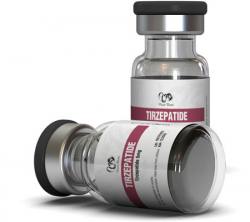
Tirzepatide is a prescription medicine that works on two important hormone pathways involved in blood sugar regulation and appetite. It is a glucose-dependent insulinotropic polypeptide (GIP) receptor and glucagon-like peptide-1 (GLP-1) receptor agonist. In the United States, tirzepatide is marketed under different brand names for different approved uses, including type 2 diabetes and chronic weight management.
What Is Tirzepatide?
Tirzepatide is a synthetic peptide designed to activate both GIP and GLP-1 receptors. By acting on these pathways, it can increase glucose-dependent insulin secretion, reduce glucagon secretion, slow gastric emptying, and influence appetite. These combined effects can help improve blood glucose control and support substantial weight reduction in appropriate patients.
For type 2 diabetes, Mounjaro is indicated as an adjunct to diet and exercise to improve glycemic control. For adults with obesity, or adults who are overweight with at least one weight-related condition, Zepbound is approved in combination with a reduced-calorie diet and increased physical activity for long-term weight reduction and maintenance. Zepbound is also FDA-approved for certain adults with obesity and moderate-to-severe obstructive sleep apnea. look at this video to understand more better
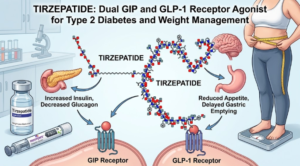
How Does Tirzepatide Work?
Tirzepatide has a dual mechanism of action because it activates both GIP and GLP-1 receptors. GIP and GLP-1 are naturally occurring hormones involved in glucose metabolism, insulin secretion, digestion, and appetite regulation.
After administration, the medicine can stimulate insulin secretion in a glucose-dependent manner. This means its insulin-related effect is closely linked to blood glucose levels. The medication can also reduce glucagon secretion when glucose levels are elevated, helping support improved glycemic control.
Its effects on appetite and food intake are another important part of its clinical action. By influencing appetite-regulating pathways and slowing gastric emptying, it may help some patients consume fewer calories. The combination of these mechanisms contributes to its effects on both blood glucose and body weight.
Key Benefits
When prescribed appropriately, Tirzepatide may provide several clinically important benefits:
Improved blood glucose control in adults with type 2 diabetes.
Significant reductions in body weight for eligible patients.
Support for long-term weight reduction and maintenance when used for its approved weight-management indication.
Once-weekly subcutaneous administration.
Dual GIP and GLP-1 receptor activity.
The medication is generally introduced at a low dose and increased gradually according to the prescribing information and the patient’s response and tolerability. The current FDA labeling for Zepbound recommends a 2.5 mg once-weekly starting dose, followed by gradual dose increases after at least four weeks. Maintenance doses depend on the indication and individual treatment response.
Pharmacokinetics
Tirzepatide has pharmacokinetic characteristics that support once-weekly administration. Following subcutaneous administration, maximum concentrations are generally reached within approximately 8 to 72 hours. The apparent volume of distribution is approximately 10.3 L, and the medication is highly bound to plasma albumin.
The molecule undergoes metabolism through proteolytic cleavage of its peptide structure, while its fatty diacid component undergoes beta-oxidation and amide hydrolysis. The elimination half-life is approximately five days, which helps maintain exposure over the weekly dosing interval.
The medication is eliminated primarily as metabolites through urine and feces rather than as unchanged drug. These pharmacokinetic properties help explain why treatment is administered once weekly rather than daily.
Administration and Dose Escalation
Tirzepatide is administered as a subcutaneous injection. The injection should be used according to the specific product’s prescribing information and instructions from a qualified healthcare professional.
Dose escalation is designed to help patients adjust to treatment and may reduce the likelihood of gastrointestinal intolerance. Patients should not change their dose, frequency, or method of administration without medical guidance.
It is also important not to combine products containing tirzepatide with other tirzepatide-containing medicines or GLP-1 receptor agonists unless specifically directed by a healthcare professional.
Possible Side Effects and Safety Information
Tirzepatide can cause side effects, with gastrointestinal reactions being among the most commonly reported. These may include nausea, diarrhea, vomiting, constipation, abdominal discomfort, indigestion, and other digestive symptoms. Other adverse reactions can occur, and some may require medical attention.
The FDA prescribing information contains a boxed warning concerning thyroid C-cell tumors observed in rats. The human relevance of this finding is unknown. The medication is contraindicated in people with a personal or family history of medullary thyroid carcinoma or in patients with Multiple Endocrine Neoplasia syndrome type 2.
The prescribing information also includes warnings concerning severe gastrointestinal adverse reactions, acute kidney injury associated with volume depletion, gallbladder disease, acute pancreatitis, hypersensitivity reactions, and other clinically important risks. Patients should discuss their medical history and current medications with a healthcare professional before beginning treatment.
Who Should Use It?
Tirzepatide should only be used under appropriate medical supervision. It is not approved for treating type 1 diabetes, and patients should not use it as a substitute for insulin or other therapies prescribed for type 1 diabetes.
Whether the medicine is appropriate depends on the patient’s diagnosis, medical history, current medications, treatment goals, and risk factors. People who are pregnant or planning pregnancy should discuss treatment with their healthcare provider because the FDA labeling warns of potential fetal harm.
Final Thoughts
Tirzepatide represents an important development in metabolic medicine because of its dual GIP and GLP-1 receptor activity. Its effects on glucose regulation, appetite, and body weight have made it an important prescription treatment for eligible patients with type 2 diabetes and, under its approved weight-management indication, adults with obesity or qualifying overweight.
However, this is a prescription medication and should not be purchased or used based solely on online product descriptions. A qualified healthcare professional can determine whether treatment is appropriate, select the correct product and dose, and monitor for adverse effects.
Authoritative Resources
For complete and current prescribing information, consult the U.S. Food and Drug Administration (FDA) labeling for Zepbound and the official DailyMed prescribing information for Mounjaro and Zepbound. These resources provide detailed information about indications, contraindications, dosage, warnings, adverse reactions, and drug interactions.
Resources:
Reviews
There are no reviews yet.